
A single dispatcher and a paper pad couldn't triple the fleet. Tread could.
How a leading global aggregates and asphalt producer replaced radio-and-paper dispatch with real-time visibility, and won a major mine-site contract on the strength of it.
The customer
A Fortune-scale producer, operating like a startup on the ground
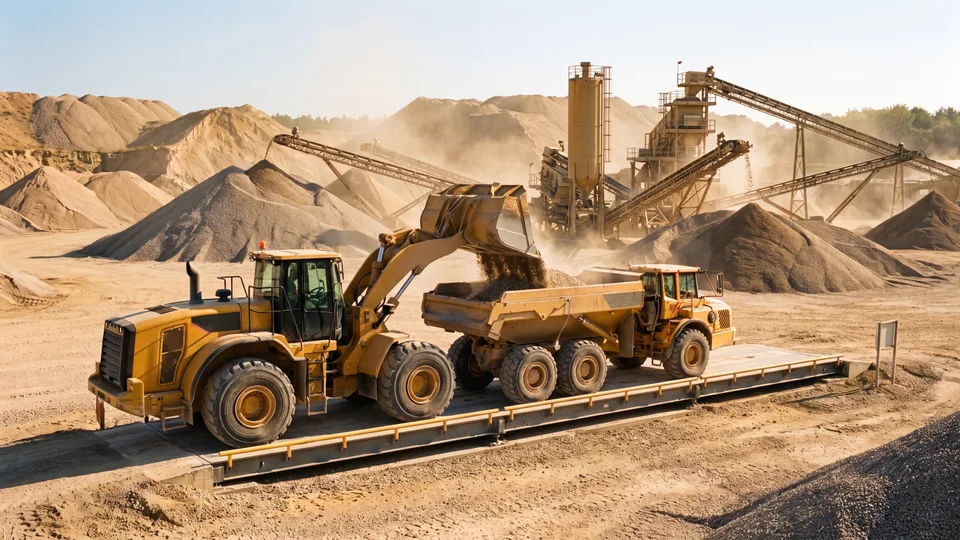
This customer is one of the largest aggregates and asphalt producers in North America, part of a global building-materials group. But at the regional level where the work actually happens, a single dispatcher ran the entire operation from a two-way radio and a paper pad.
It worked at 15–30 trucks. Then a career-defining opportunity landed: the chance to bid on a mine-site project that would triple the size of the fleet overnight. Winning it required something the paper-and-radio system fundamentally could not provide: dispatch coordination and compliance monitoring at scale, with a verifiable data trail.
Before Tread: the breaking point
Everything ran through one person's head
- Single point of failure. One dispatcher held the entire schedule in notes and memory. If they were out, the operation stalled.
- No shared visibility. Nobody else, not ops, billing or leadership, could see truck status without asking the dispatcher.
- Radio & paper tickets. Loads were coordinated by voice and captured on paper, then chased down and re-keyed later.
- Couldn't scale. Tripling the fleet on this system wasn't a stretch, it was impossible.
- Compliance risk. The mine-site contract demanded monitoring and an auditable record the old process couldn't produce.
The shift
What changed after Tread
| Before Tread | After Tread |
|---|---|
| Coordinating by radio, chasing paper tickets | Automated dispatch and real-time status |
| Data trapped in one dispatcher’s notes | Live dashboard visible to the whole organization |
| Manual re-keying of paper slips into billing | AI-extracted ticket data. Drivers self-ticket remotely |
| Guessing where trucks were | GPS-verified location, cycle time and wait time |
| Month-end surprises, unverifiable records | Daily clarity and an auditable data trail |
| Stuck at the current fleet size | Absorbed 3× growth without adding dispatch headcount |
What replaced it
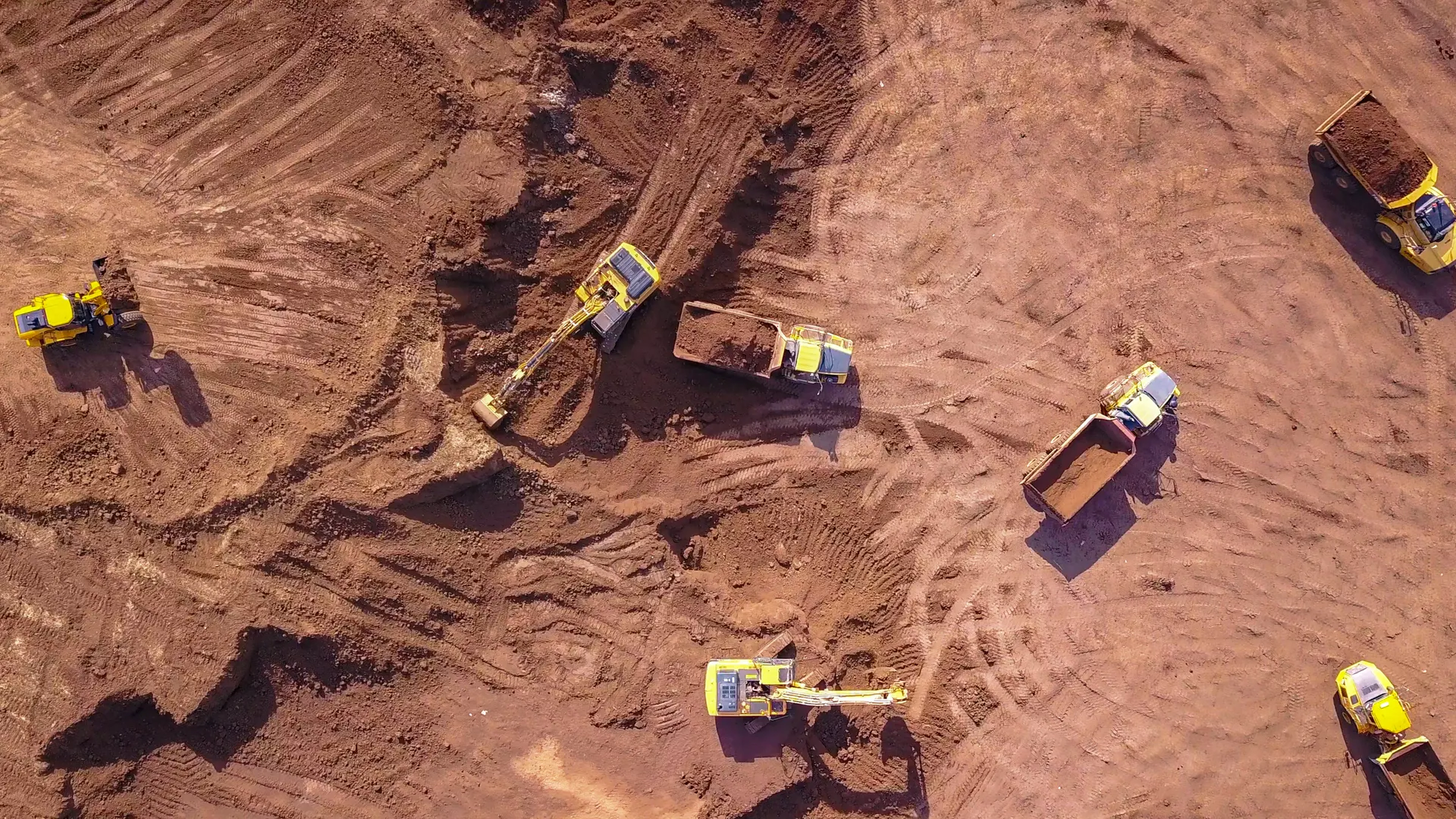
One board took over from the radio
Own fleet, brokers, and subhaulers on the same screen, with every assignment reaching drivers the moment it's sent.
The paper pad had become the ceiling.
The numbers
The operational ROI, quantified
Typical before-and-after results Tread customers see across dispatch, ticketing and billing. Individual outcomes vary with fleet size and operation.
The economics
What the old way quietly costs, every year
The paper-and-radio operating model doesn't show up as a line item, but it leaks money continuously. Here is the annual cost of inaction for a representative 25-truck hauling operation, the losses Tread is built to recover.
| Where the money leaks | Per month | Per year |
|---|---|---|
| Admin time chasing tickets & re-keying data | $2,425 | $29,100 |
| Revenue leakage from billing errors | $2,960 | $35,520 |
| Driver time rounding (no GPS verification) | $11,687 | $140,244 |
| Dispatcher time on “where’s my truck?” calls | $1,485 | $17,820 |
| Cash-flow drag & billing disputes | $1,338 | $16,056 |
| Total cost of the status quo | $19,895 | $238,740 |
Illustrative model for a 25-truck fleet based on Tread customer benchmarks. Scales with your fleet size and load volume. Ask us to run the numbers for your operation.
The outcome
Growth stopped being gated by the whiteboard
- Won the contract. Tread’s dispatch, GPS tracking and compliance monitoring were decisive in securing the major mine-site project.
- Tripled the fleet, without tripling the back office. The operation scaled on the same lean team.
- Visibility for everyone. A shared dashboard replaced one person’s notebook; the operation no longer depends on a single dispatcher.
- Remote self-ticketing. Drivers capture tickets in the field. No more texts and paper slips from remote sites.
- A partner, not just software. Responsive support at almost any hour and platform flexibility for market-specific needs.
- A platform for what’s next. The same foundation now powers expansion into additional sites and regions.
We're no longer dependent on one dispatcher's notes and memory. The information is on a dashboard everyone can see, and it became the springboard for automating our ticketing so drivers can self-ticket at remote sites. It was critical to winning the contract that grew our business.
What would this look like for your fleet?
Tell us your fleet size, how you dispatch today, and how long billing takes. We'll build the same before-and-after model for your operation, with your numbers.
Get a demo →Customer identity has been anonymized; the narrative reflects a real Tread customer's account of their results. Quantitative figures marked as benchmarks are illustrative models based on Tread customer data and industry research, not a guarantee of specific results. A named, logo'd edition is available with the customer's reference approval.