Managing Risk With Visibility
In late October, I joined NSSGA Young Leaders in Denver for two days of sessions and a quarry visit. It was my first Young Leaders meeting, in my first year in the aggregates industry, and I came home thinking about one idea: everyone in this industry is managing risk, and a lot of that comes down to what you can and can’t see.
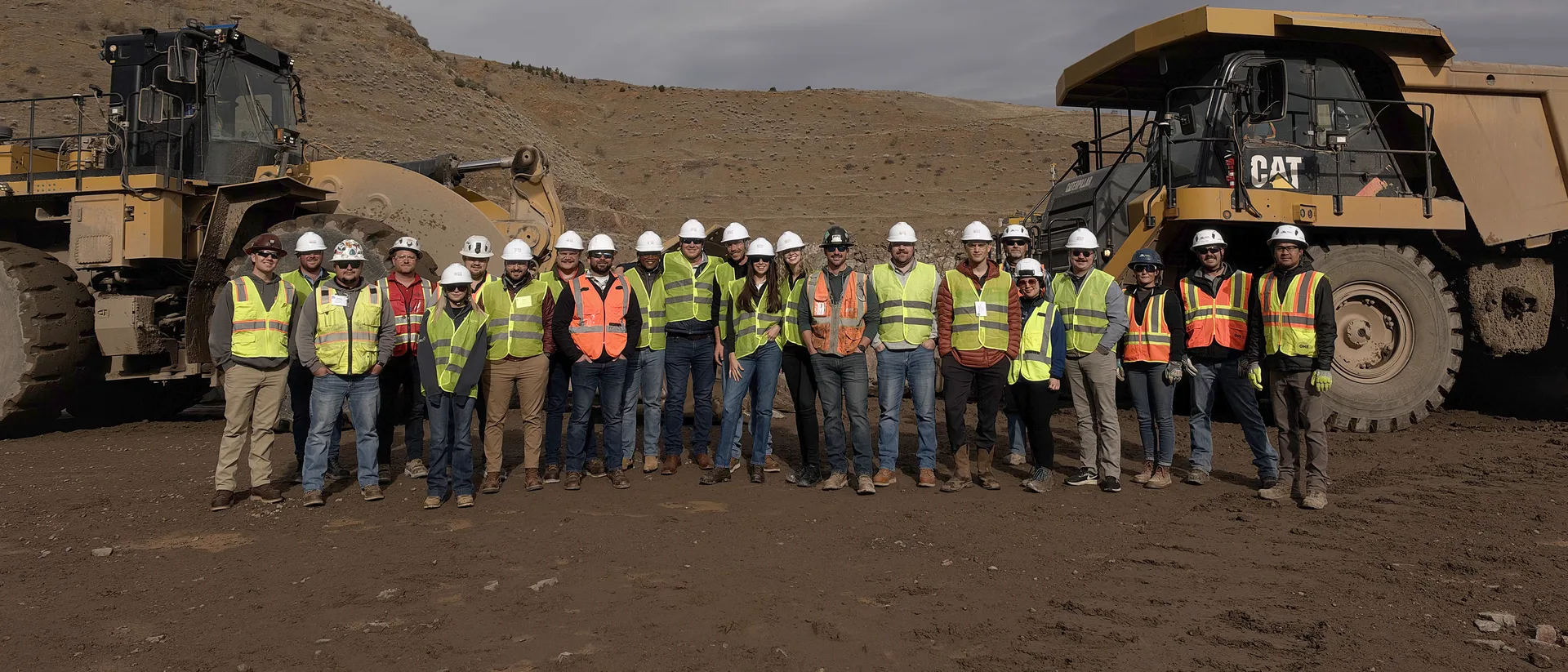
Two days in Denver
What stood out about this event was its size and the people in the room. We had producers, explosives suppliers, equipment suppliers, and environmental managers sharing their experiences, asking questions, and comparing notes. It was a great opportunity for the younger generation in the industry to learn from one another and build relationships.
The first day included two sessions, one on communication skills for leaders and another on risk management in mining and aggregates. That evening, we went to the Nuggets game (the Warriors won 134 to 114), and the following morning, Martin Marietta welcomed us to its Spec Agg quarry.
Visiting the quarry was a highlight. We learn a lot from customer conversations and our own data at Tread. Still, there’s something different about seeing an operation firsthand. Watching rock move through the crushers and screens, material accumulate in stockpiles, and trucks enter and exit the plant gave me a better appreciation for how much coordination goes into keeping everything moving. It also put the previous afternoon’s conversation about risk into perspective.
Risk management
Of all the discussions, the one I keep coming back to is risk management. The speaker, a geologist who spent his career planning and permitting quarries, opened with a straightforward reminder: “We are in the business of making money.” His point was that nearly every function in a quarry, from sales and quality control to environmental compliance and community relations, plays a role in protecting the business by managing risk. He asked each of us to name a risk management tool from our own work. I said beta testing.
One particular example stood out to me. A quarry had been receiving complaints from neighboring residents once or twice a month, including concerns about trucks speeding. Those complaints were reaching county and state authorities, putting the operation’s permit at risk. The company responded with a few practical changes: posted speed limits, a speed camera, and publicly available blasting schedules. Complaints reportedly fell to roughly one per year, allowing the operation to continue hauling and blasting with fewer community issues.
What interested me wasn’t the technology itself; it was the combination of transparency, accountability, and action. The speed limits established expectations, the cameras gave the company a way to monitor behavior, and the published schedules helped neighbors understand what to expect. Each measure addressed a different part of the problem, and together they helped the quarry manage a risk that could have affected its ability to operate.
Visibility is only part of the solution
The conversation made me think differently about visibility in day-to-day operations. Having access to more information doesn’t automatically make an operation safer or more efficient. What matters is whether that information helps people recognize a problem, make a decision, and act on it.
I saw another example of this at Spec Agg the following morning. Drivers collect their tickets from a kiosk as they move through the plant. Martin Marietta’s operations team shared that the kiosk process, together with truck tracking, had helped reduce the time trucks spend inside the plant by 24%. That’s a meaningful operational improvement. However, the underlying lesson is bigger than truck tracking.
Knowing when trucks arrive, how long they spend on site, and where delays are occurring gives an operations team a better understanding of how material is moving. That information can help identify bottlenecks and determine where changes might make a difference. It’s the same principle we work with at Tread. Our live map gives dispatchers visibility into truck locations, routes, speeds, and arrival times. That said, the value isn’t simply seeing trucks on a screen. It’s being able to use that information to answer questions, address delays, and keep work moving.
And visibility has its limits: a camera won’t stop a speeding truck on its own, and a tracking system won’t resolve a bottleneck without someone making a change. Ultimately, the tools support the people responsible for making those decisions.
From moving material to getting paid
As I reflected on the event and began writing this article, one connection became even more apparent: operational uncertainty often translates into financial risk. A load that can’t be accounted for, a missing scale ticket, or a delivery that hasn’t been verified might seem like a small administrative issue. However, when those gaps delay invoicing or create disputes, they affect something fundamental to the business: getting paid for work that’s already been done.
That’s where the conversation about visibility extends beyond the quarry gate. In Tread, for example, drivers can capture scale tickets through the app and send them directly to the billing office. Once reviewed and approved, those loads can be included on an invoice the same day. While the process doesn’t eliminate every payment risk, it addresses an important source of uncertainty: making sure completed work is documented and ready to bill.
It raises a few questions worth asking. How much time is lost simply trying to find out where a truck or load is? How quickly can a team identify a delay before it affects the rest of the operation? And how much completed work is sitting unbilled because the right documentation hasn’t made it to the office? Although these may seem like everyday operational challenges, together they reveal how small gaps in visibility can create much larger consequences for a business.
The value of showing up
Beyond the sessions and the quarry visit, what made these two days particularly valuable were the conversations. The Nuggets game, the time between sessions, and the chance to walk through an operation together created opportunities to connect in ways that are difficult to replicate over a call.
One piece of advice from the risk management session particularly resonated with me: get involved in industry associations and learn who to call, rather than trying to know everything yourself. I think that’s especially relevant for those of us who are newer to the industry. There’s a tremendous amount of knowledge held by the people who have spent years working in quarries, managing fleets, navigating regulations, and building relationships in their communities. And much of that knowledge comes from experience, not a dashboard.
If there’s one thing I’m taking away from Denver, it’s that managing risk isn’t just about having better information. It’s about knowing what to do with it, asking the right questions, and having the right people around you to make informed decisions. That’s what made this event so worthwhile.
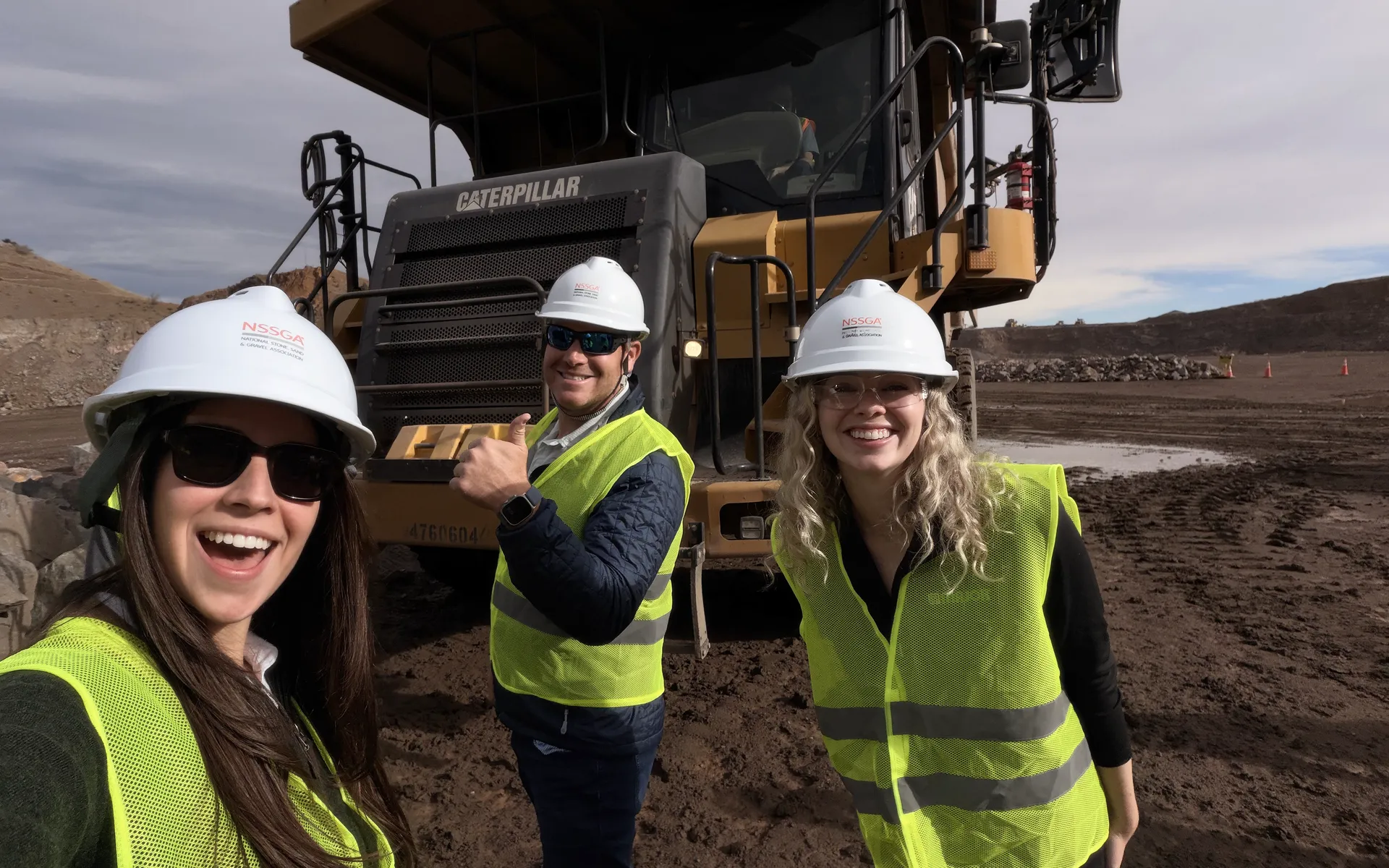
At Spec Agg with fellow Young Leaders.
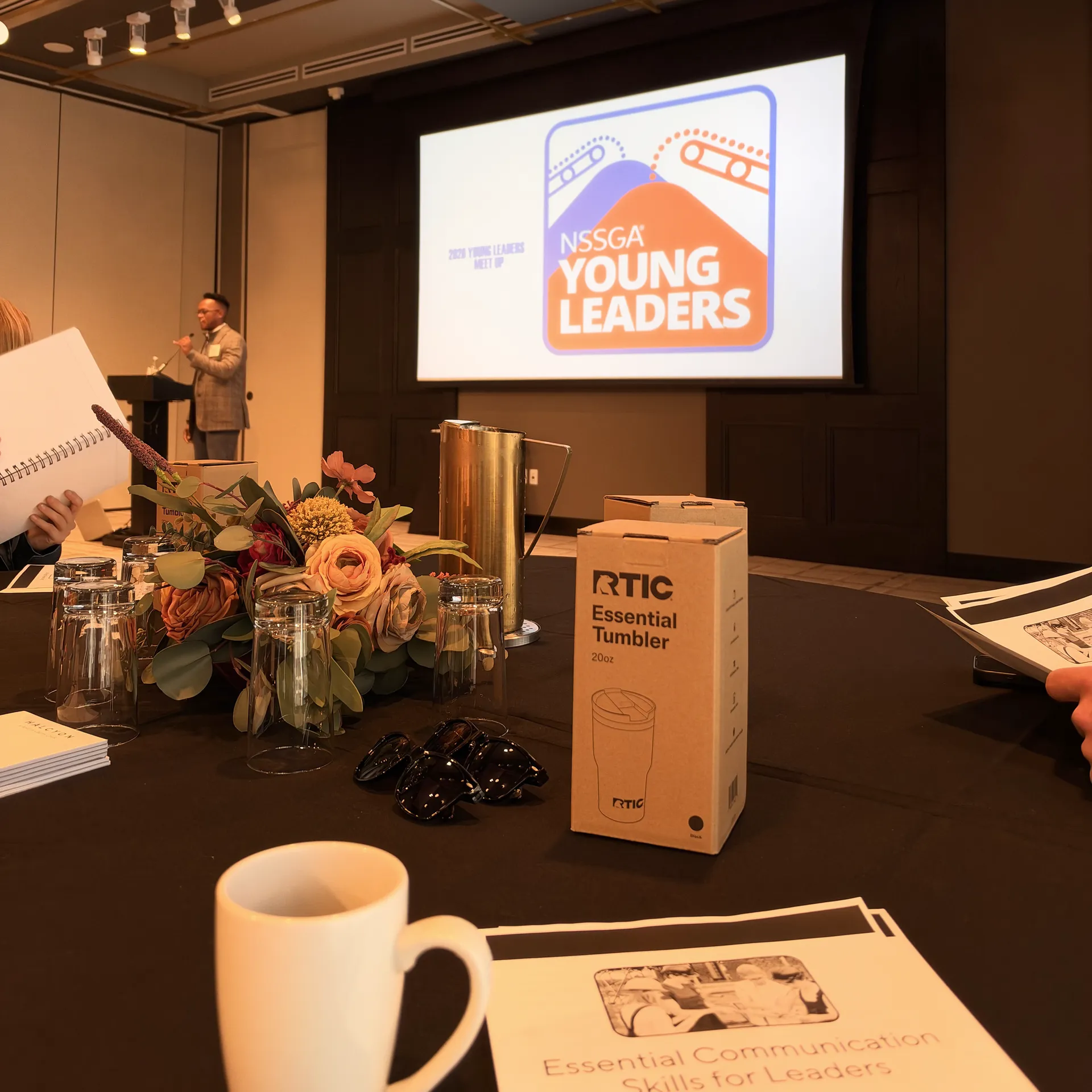
The communication session.
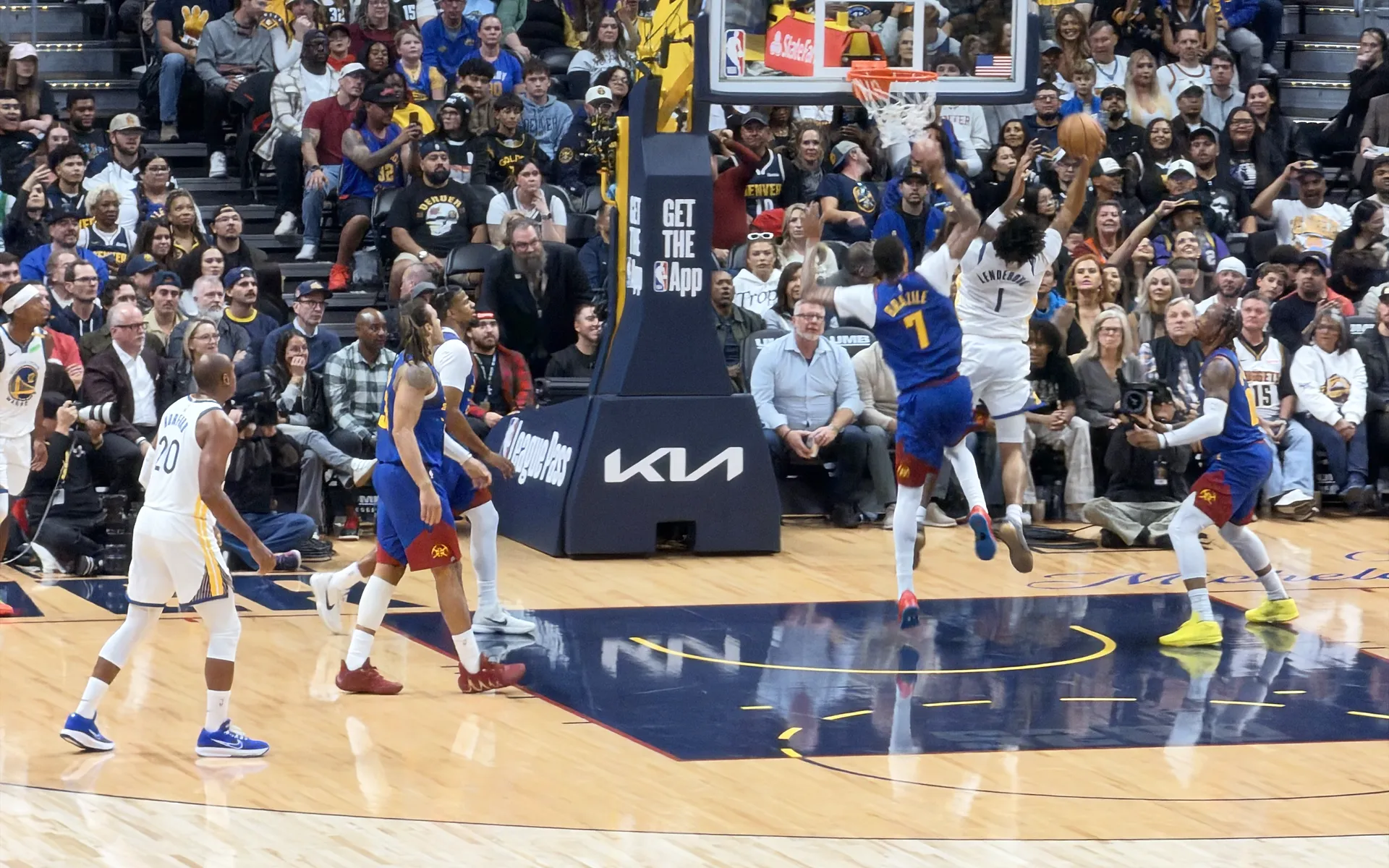
Nuggets vs. Warriors at Ball Arena.
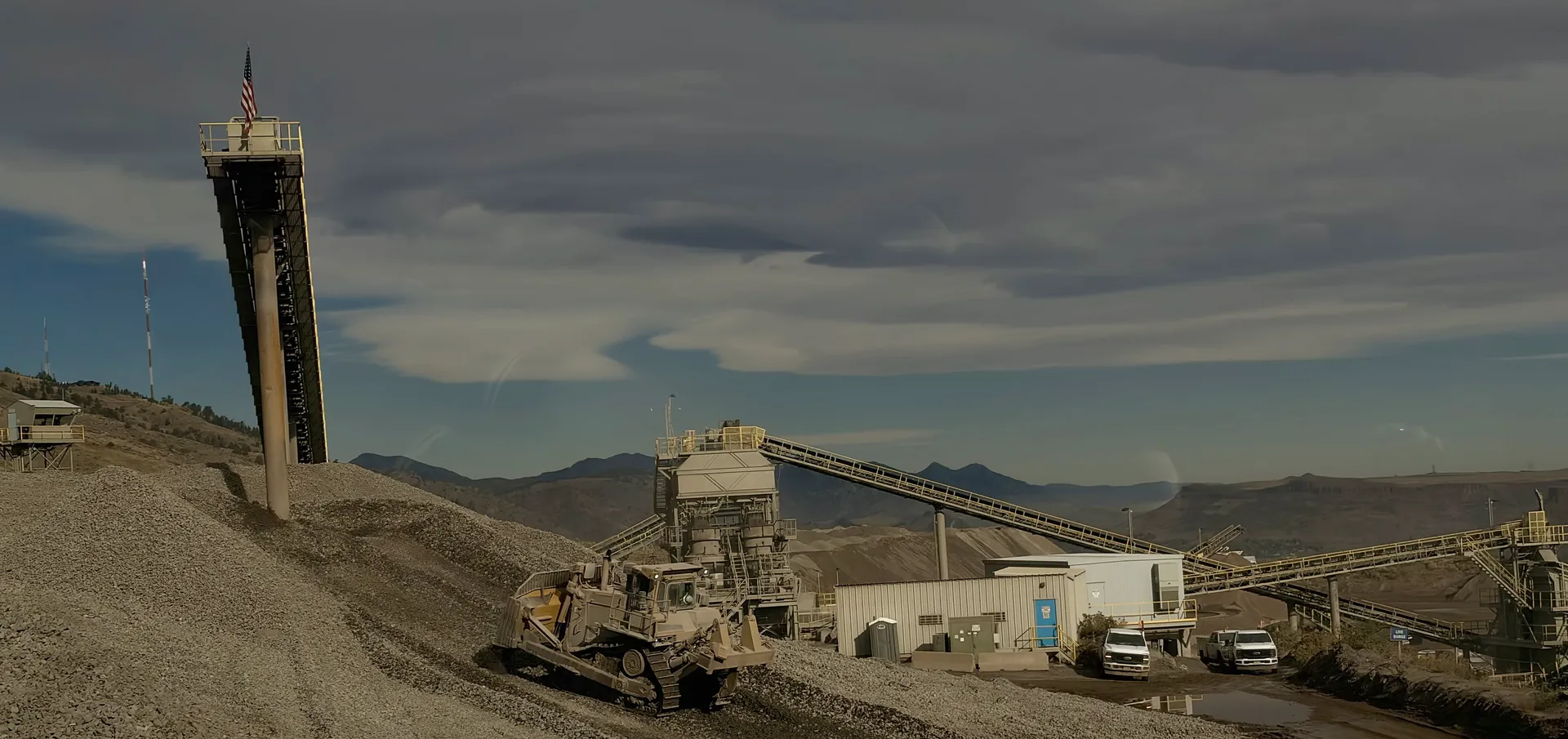
The crushing plant at Spec Agg.
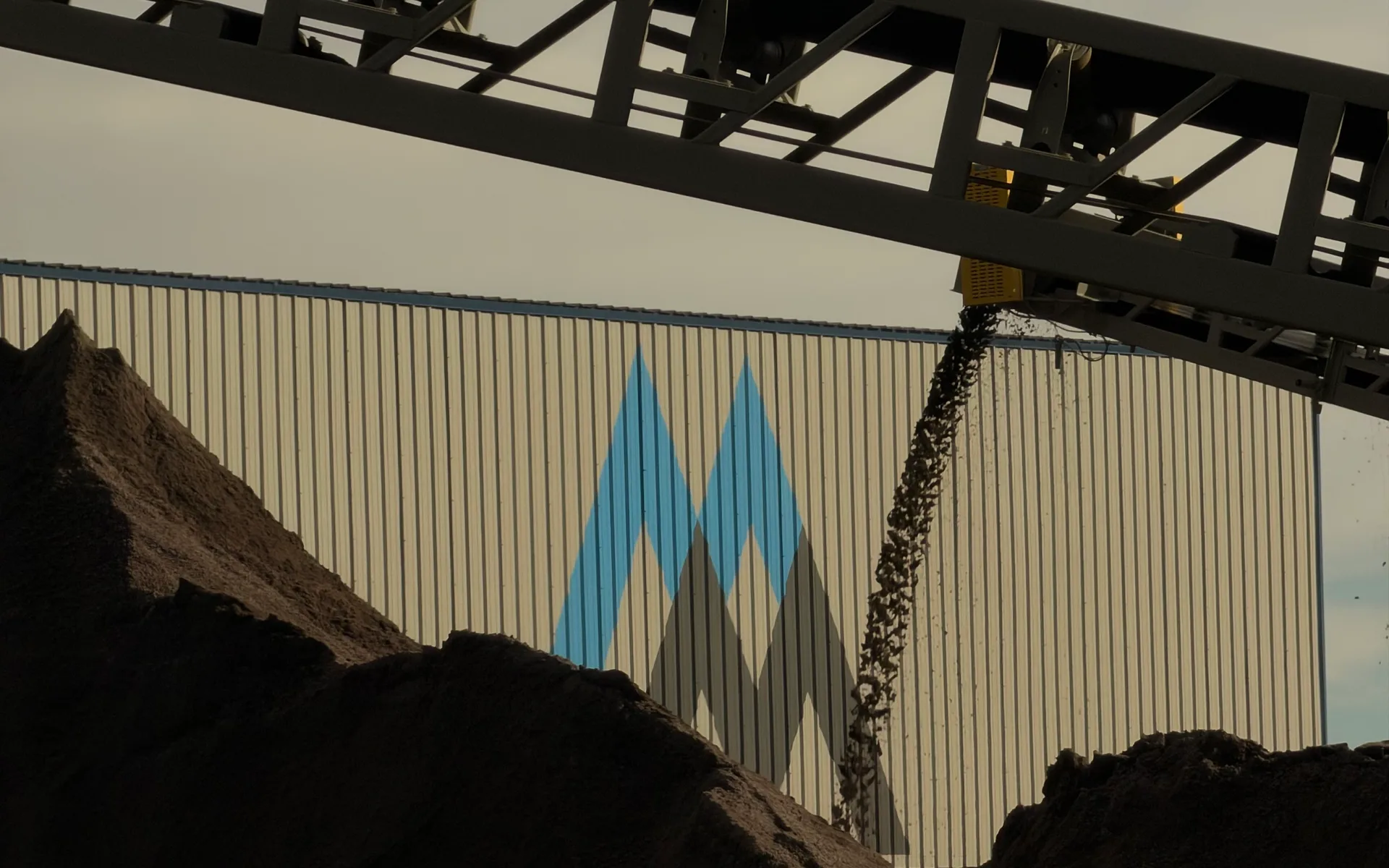
Material coming off the stacker at Spec Agg.
Thank you to NSSGA and the Young Leaders committee for bringing everyone together, and to Martin Marietta for hosting us at Spec Agg. Tread is a member of NSSGA, and you can find us under Truck Dispatch Tracking in the 2026 Membership Directory and Buyers’ Guide. I’m looking forward to continuing the conversations at the next Young Leaders meeting.