
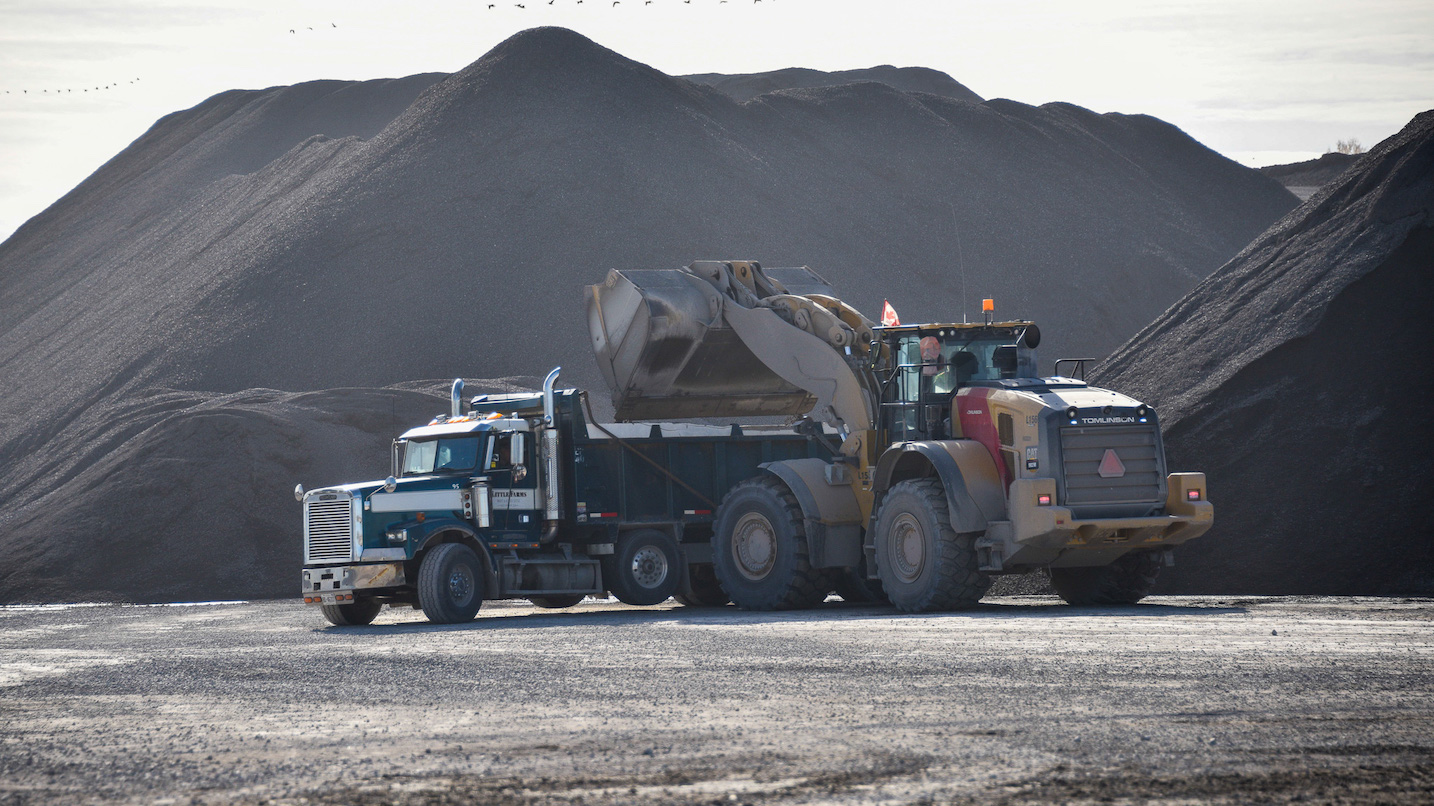
Managing a construction company comes with many challenges. Some of the most common issues include minimal vehicle visibility, low driver satisfaction, poor communication, delayed cash flow, and unrealistic or inaccurate forecasting.
Construction fleet management guides, KPIs, and best practices.
Managing a construction company comes with many challenges. Some of the most common issues include minimal vehicle visibility, low driver satisfaction, poor communication, delayed cash flow, and unrealistic or inaccurate forecasting.
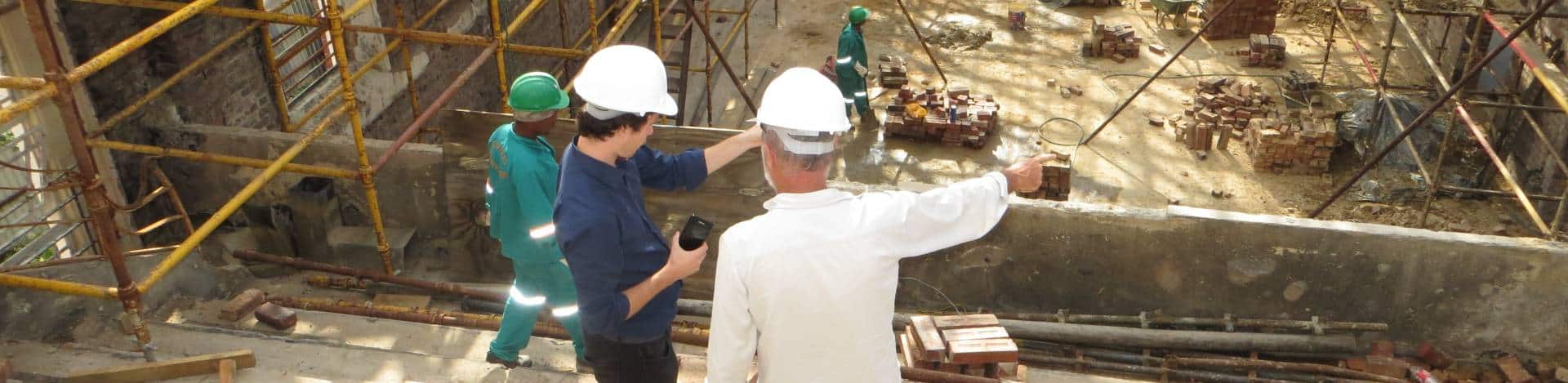
As a construction project manager, you’ve undoubtedly experienced a number of successes and failures throughout your career. The construction industry is constantly evolving and it can be difficult to balance everything that is needed to do your job well.

Fuel is the second-largest fleet-operating expense year after year. On average, it eats up 60% of a company’s total fleet operating budget, which makes tracking and managing fuel consumption a must for fleet operators.

Safety doesn’t happen by accident. It is an initiative that requires a commitment to education and implementation. Routine safety meetings are an effective way to demonstrate professionalism and leadership within the construction industry. They also show employees that their safety and wellbeing is important.
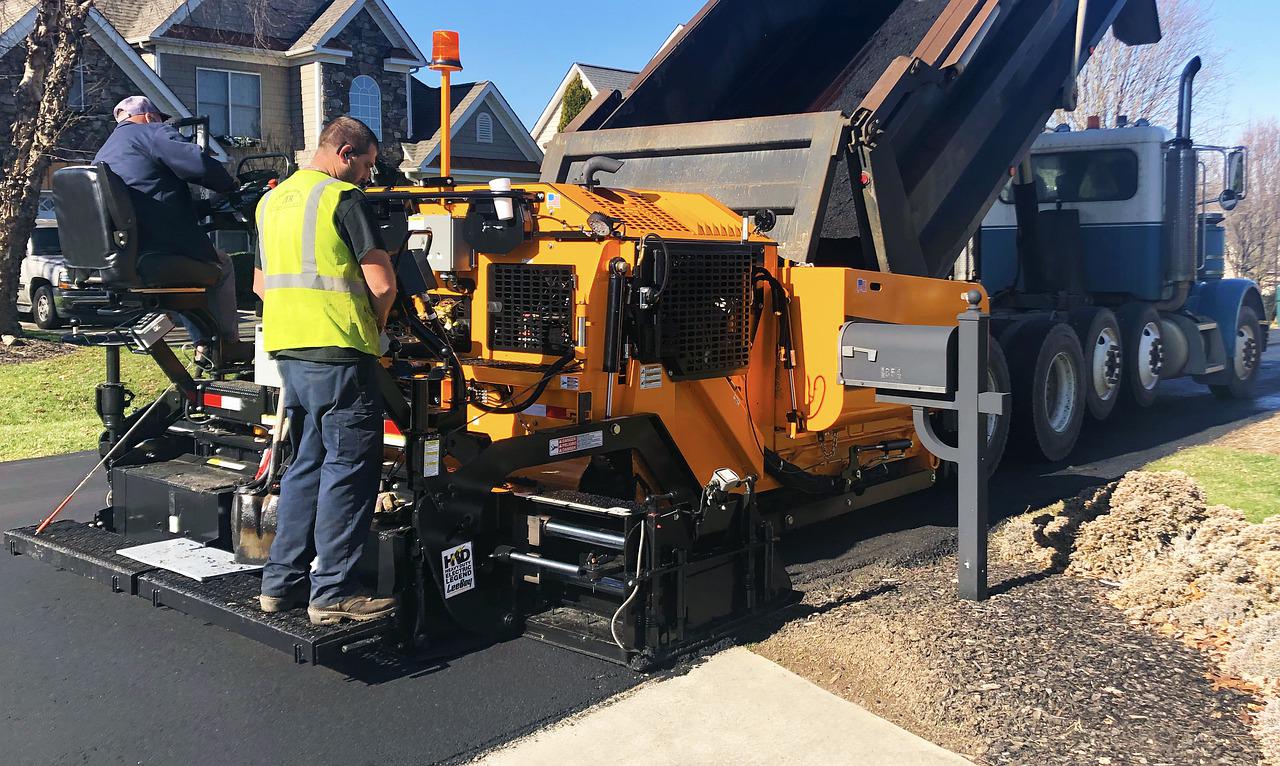
For any construction company to be profitable, their heavy machinery must be well maintained and in proper working order. A preventative maintenance program is the first step in accomplishing just that. If a maintenance schedule is not created or followed, the result could mean equipment failure, costly repairs, and long term problems.
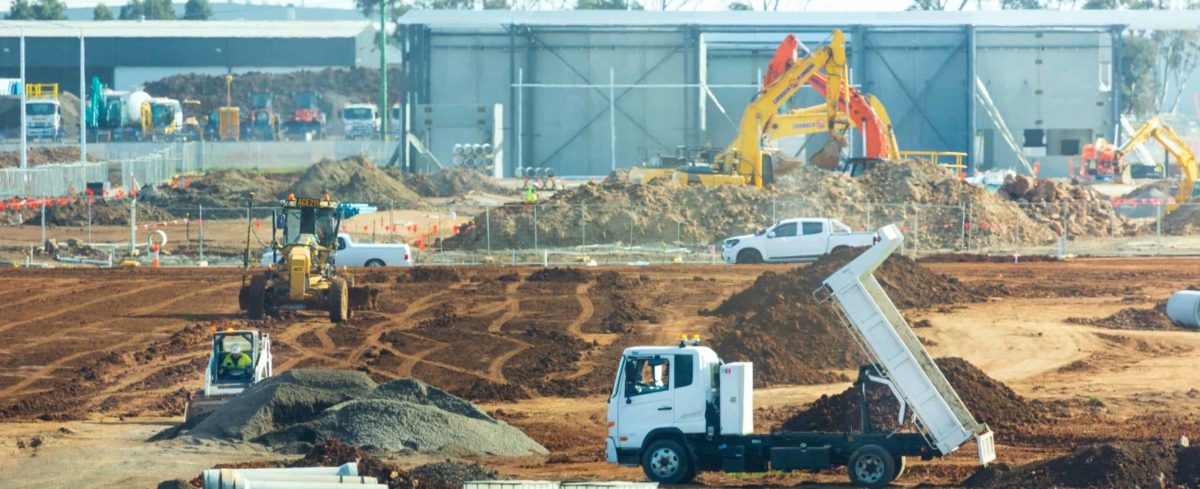
Companies both in and and outside the construction industry often use mobile workforces and vehicle fleets. Construction companies utilize fleets of unique vehicles that serve different purposes. The overuse or misuse of vehicle fleets is often ignored and can have a debilitating impact on companies’ finances in the long run.
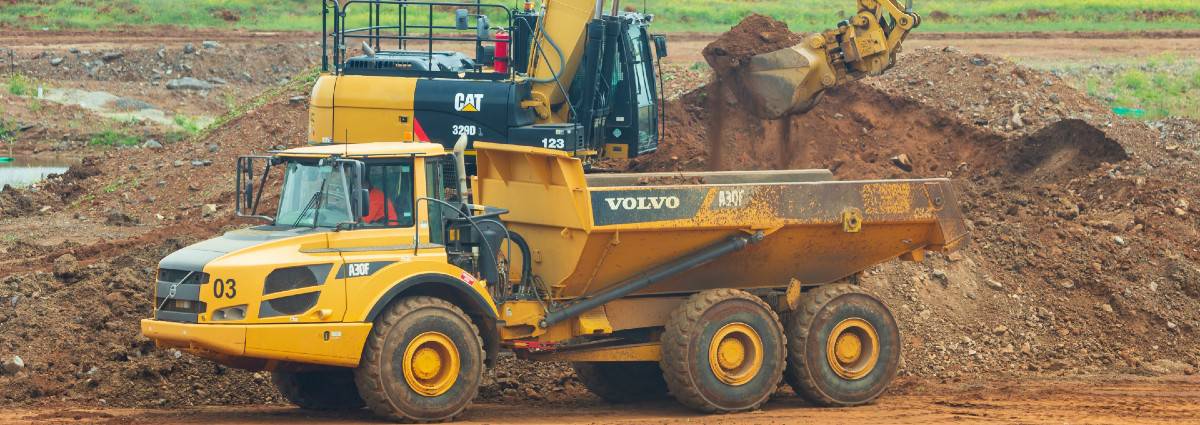
How much do downtime delays cost your company? If you use heavy construction equipment, unplanned downtime can cost you thousands of dollars or more each day and put your project further behind schedule. This will likely create a domino effect that will impact your productivity. Severe delays can begin to affect your staff, contractors, and other businesses on your job site who are depending on you to complete your job on time.

Effective, efficient truck driver communication is critical to the success of your company. Not only can misunderstandings lead to lost jobs and unhappy customers, but delays linked to poor communication can quickly erode your company’s reputation within the industry.
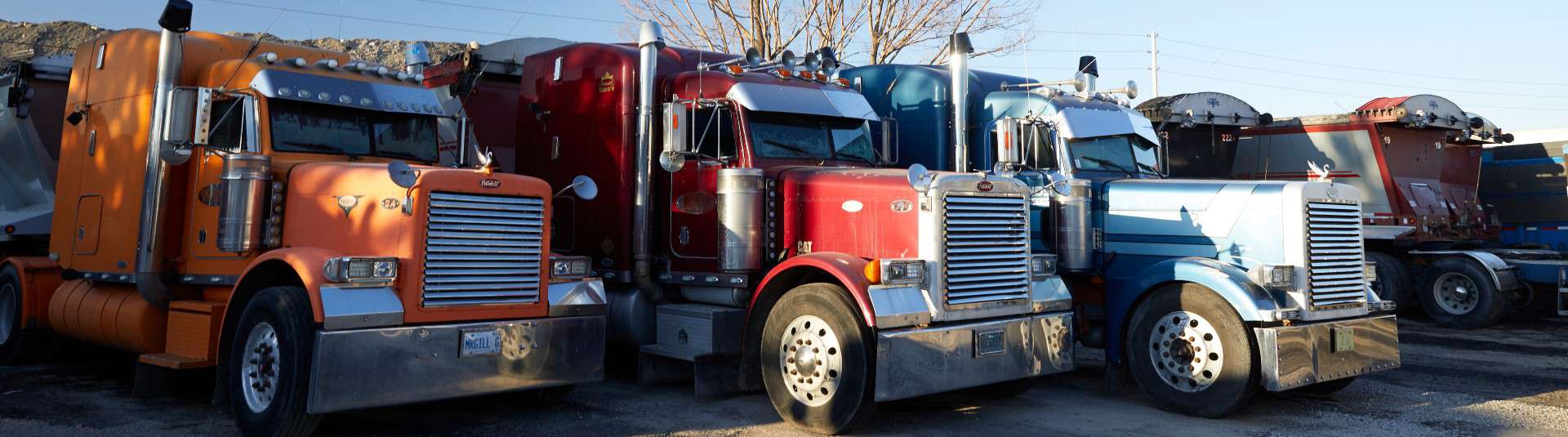
Selecting the right equipment for a construction project is crucial when it comes to budget, timelines, and execution. When a construction equipment manager has the information and tools they need to do their job properly, the entire project runs smoothly and equipment is better managed, scheduled, and maintained.
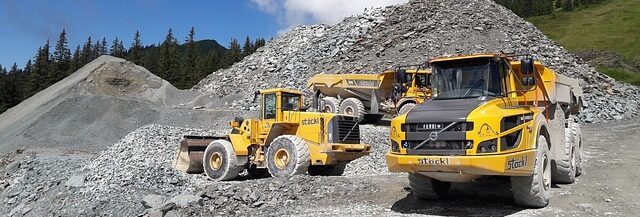
Tracking Key Performance Indicators is important to understand a business’s health and performance. In construction or trucking industries specifically, choosing the right KPIs to track fleet performance can help you make better, data-driven decisions to improve fleet operations.